
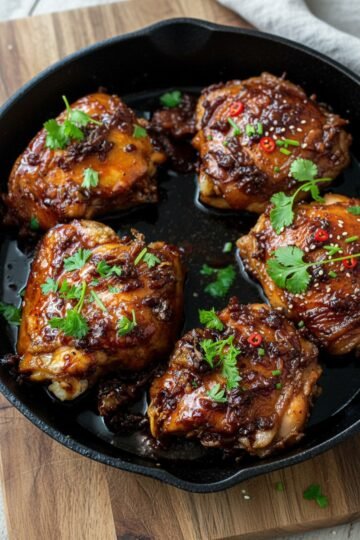
Honey glazed chicken is an irresistible dish that beautifully combines the sweet and sticky notes of honey with the savory depth of perfectly cooked chicken. This comforting meal is loved in many households for its mouthwatering aroma and glossy, caramelized finish.
The magic of honey and chicken is not new; this pairing dates back centuries in various cultures where honey was prized not only for its sweetness but also for its preservative and health properties.
Asian, Middle Eastern, and Western cuisines each have their own variation of this classic favorite, but the universal appeal remains the delightful harmony between the naturally mild chicken and the rich, golden glaze.
As home cooks seek easy yet crowd-pleasing recipes, honey glazed chicken stands out for its minimal ingredients, straightforward process, and versatility. Whether you’re serving a weeknight dinner or preparing a special meal, honey glazed chicken brings elegance and comfort to the table.
For those interested in learning more about the culinary uses of honey, a resource like the National Honey Board’s recipe collection (https://www.honey.com/recipe) provides valuable insight into cooking with honey.
Read on to discover how to prepare the best honey glazed chicken and how to elevate this beloved dish with expert tips, nutrition facts, and more.
Ingredients for honey glazed chicken
- 4 boneless, skinless chicken breasts (about 1.5 lbs)
- ½ cup pure honey
- 2 tablespoons soy sauce
- 2 tablespoons olive oil
- 3 cloves garlic, minced
- 1 tablespoon Dijon mustard
- 1 tablespoon apple cider vinegar (or lemon juice)
- ½ teaspoon ground black pepper
- ½ teaspoon salt
- ½ teaspoon smoked paprika (optional)
- Fresh parsley or green onions for garnish
- 1 tablespoon sesame seeds (optional)
Instructions for Making honey glazed chicken
- Preheat your oven to 400°F (200°C) and lightly grease a baking dish large enough to hold the chicken breasts in a single layer.
- In a medium bowl, whisk together honey, soy sauce, olive oil, minced garlic, Dijon mustard, apple cider vinegar, black pepper, salt, and smoked paprika (if using) until the mixture is well-blended.
- Place chicken breasts in the prepared baking dish. Pour the honey glaze evenly over the chicken, turning each piece to ensure it is well-coated.
- Cover the dish with foil and bake for 20 minutes. Remove the foil and baste the chicken with the pan juices.
- Continue to bake, uncovered, for another 10-15 minutes or until the chicken is cooked through (internal temperature should reach 165°F/74°C) and the glaze has thickened and turned a caramelized golden brown.
- If you desire extra caramelization, broil the chicken for the last 2-3 minutes, keeping a close eye to avoid burning.
- Remove from the oven and let the chicken rest for 5 minutes. Spoon extra pan sauce over the chicken, sprinkle with fresh parsley or green onions, and sesame seeds if using.
- Serve the honey glazed chicken hot with your choice of side dishes.
Nutritional Information
Honey glazed chicken is not only delicious, but it also offers a relatively healthy dining option when made with lean chicken breasts and natural honey. A typical serving (based on 4 servings) provides approximately 300 calories, 35g protein, 27g carbohydrates, and 8g total fat.
Chicken breast is a great source of lean protein and essential vitamins like B6 and niacin, supporting muscle maintenance and metabolism.
Honey contributes natural sugars, energy, and trace antioxidants, as highlighted in sources like the USDA FoodData Central (https://fdc.nal.usda.gov/). Using olive oil provides heart-healthy monounsaturated fats, while soy sauce in small quantities adds a touch of umami without overwhelming sodium levels.
The minimal use of added fats and sugars makes honey glazed chicken a balanced option compared to many fried chicken recipes. For lower sodium content, opt for reduced-sodium soy sauce, and consider trimming the honey quantity if you prefer fewer sugars.
Overall, this meal is nutritionally balanced when paired with steamed vegetables or whole grains, helping you create a wholesome and nourishing dinner.
Wine/Beverage Pairings With honey glazed chicken
Honey glazed chicken pairs exceptionally well with a range of beverages. For wine lovers, a chilled glass of Chardonnay or Riesling complements the sweet and savory balance of the glaze. The slight acidity and fruity notes in these wines cut through the richness, enhancing each bite.
If you prefer red wine, a light Pinot Noir offers enough structure without overpowering the chicken. For non-alcoholic options, a sparkling ginger lemonade or iced green tea provides a beautiful contrast to the sticky sweetness.
Beer enthusiasts can opt for a Belgian-style wheat beer or a pale ale, both of which refresh the palate while underscoring the subtle honey notes of the dish.
Cooking Tips and Variations
Enhancing your honey glazed chicken dish is all about understanding a few key cooking tips and embracing variations for different tastes. Marinating the chicken for an hour or overnight can impart even deeper flavors, ensuring the glaze permeates each bite.
For crispier skin and a more intense caramelized finish, use bone-in, skin-on chicken thighs or drumsticks, adjusting the cooking time as needed. Don’t rush the glazing process: basting the chicken with the sauce periodically during baking ensures a sticky, glossy coating.
If you want a spicier kick, add a teaspoon of red pepper flakes or a dash of hot sauce to the glaze. For a richer color, opt for dark soy sauce, or use Tamari for a gluten-free version.
Experiment with different mustards such as whole grain or spicy brown to tweak the flavor profile. To cook on the stovetop, sear the chicken in a skillet until browned, then add the glaze and simmer until fully cooked and caramelized.
Lastly, always let the chicken rest before serving to keep it moist and juicy; slicing immediately after baking can cause the juices to run out, leading to dryness. These adjustments make honey glazed chicken adaptable for various dietary preferences and occasions.
Serving Suggestions
Serving honey glazed chicken is an opportunity to get creative and complement the sweet-savory flavors with vibrant, fresh sides. For a wholesome dinner, present the chicken alongside fluffy steamed rice or creamy mashed potatoes to soak up the luscious glaze.
Roasted vegetables such as carrots, brussels sprouts, or asparagus add earthy notes and texture, contrasting the tender chicken. For a lighter meal, slice the chicken breast over a crisp green salad with sliced almonds, dried cranberries, and a tangy vinaigrette.
If preparing for a festive gathering, arrange the chicken on a large platter garnished with fresh herbs and lemon wedges for extra freshness and color. Serve with warm crusty bread or buttery dinner rolls to mop up every last drop of the flavorful sauce.
Use pretty serving dishes to make the honey glazed chicken the centerpiece of your table, inviting guests to help themselves. Don’t forget small touches like scattered sesame seeds or herbs, which elevate presentation and flavor.
For a multicultural touch, pair with jasmine rice and sautéed greens, or with pilaf and tzatziki. The true beauty of honey glazed chicken is its adaptability, fitting in at casual weeknights as easily as elegant dinner parties.
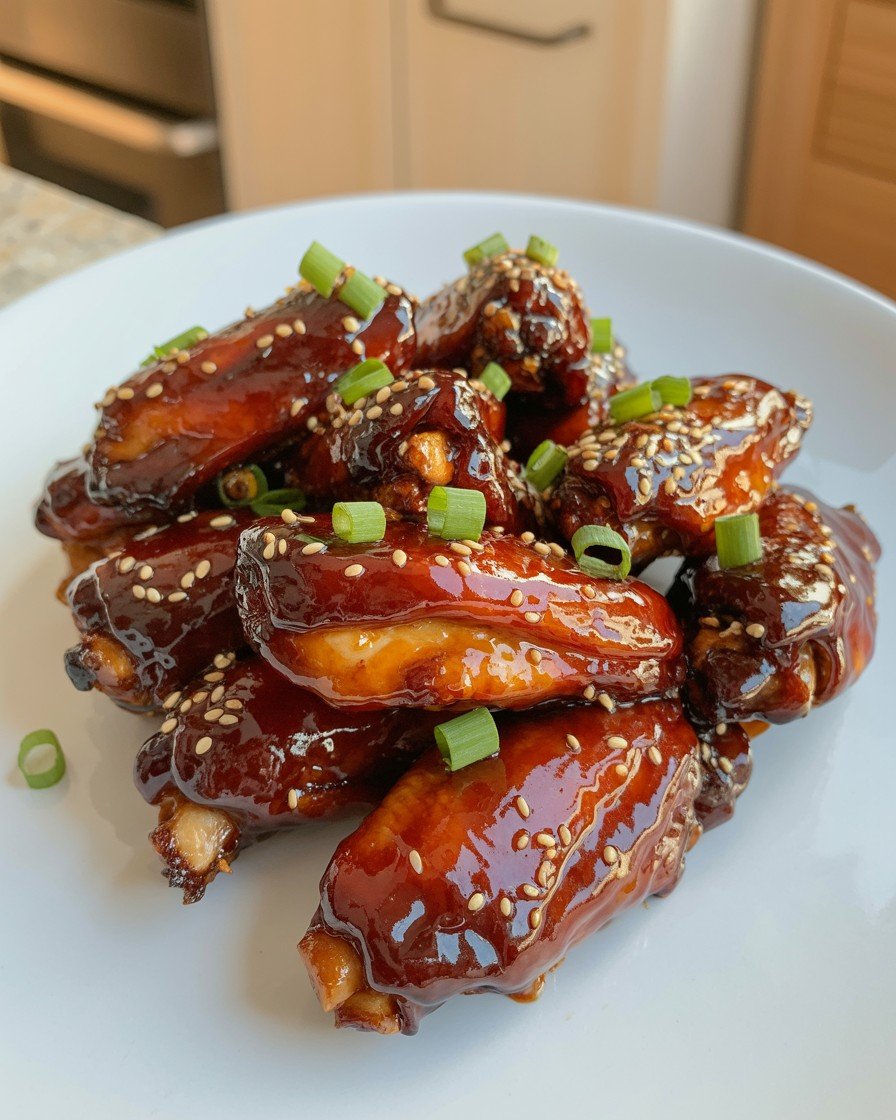
honey glazed chicken Health Benefits
Honey glazed chicken is a smart choice for balanced nutrition, especially when prepared with lean cuts like chicken breasts and using natural honey. Chicken is a high-quality protein source, supporting muscle repair and satiety, while honey delivers quick energy and a dose of antioxidants.
The olive oil adds beneficial fats that support heart health, making this recipe healthier than many fried or heavily processed alternatives. Honey’s antibacterial and anti-inflammatory properties have been long valued, and when used in moderation, it enhances this dish without excessive sugar intake.
To further boost the health benefits, pair this dish with whole grains and roasted vegetables to increase fiber and vitamin intake. Opting for low-sodium soy sauce keeps this meal heart-friendly. For more on the benefits of chicken and honey, Harvard Health Publishing (https://www.health.harvard.edu/nutrition) offers valuable insights.
People with dietary restrictions should ensure their sources of honey and soy sauce are gluten-free or accommodate their allergies. In moderation and with thoughtful side dishes, honey glazed chicken fits well within a balanced diet.
FAQs About honey glazed chicken
Can I make honey glazed chicken in advance?
Yes, honey glazed chicken can be prepared a day ahead. Allow the chicken to cool completely before storing in an airtight container in the refrigerator. When ready to serve, reheat gently in the oven at 325°F until warmed through. The glaze may thicken a bit during storage but can easily be thinned with a tablespoon of water or chicken broth when reheating.
What kind of honey is best for honey glazed chicken?
Opt for pure, natural honey for the best flavor and glaze consistency. Clover or wildflower honey works very well, but you can experiment with orange blossom or acacia honey for unique undertones. Avoid honey blends with added sugar or corn syrup, as these can affect taste and caramelization.
Can I use chicken thighs instead of breasts?
Absolutely! Chicken thighs offer juicy, flavorful results and are less likely to dry out during baking. Adjust the cooking time as thighs may take a few minutes longer to reach an internal temperature of 165°F. Bone-in, skin-on thighs will give extra crispiness to the final dish.
Is honey glazed chicken suitable for meal prep?
Honey glazed chicken is an excellent meal prep option. Store in the refrigerator for up to 3 days and use in salads, sandwiches, or wraps. The flavors tend to develop even more after a day, making leftovers just as delicious.
How can I make the dish gluten-free?
Simply use tamari or a certified gluten-free soy sauce in place of regular soy sauce. Ensure all other ingredients, such as mustard and vinegar, are gluten-free to keep the dish safe for those with gluten sensitivities.
Honey glazed chicken is a timeless dish that brings together the rich flavor of honey and the succulent texture of chicken in an effortlessly elegant way. Its balance of sweet and savory notes appeals to a wide audience, making it a standout choice for family meals and gatherings. This recipe is simple enough for beginners yet versatile enough for the experienced cook wishing to experiment with flavors and sides. With the tips and suggestions provided, you can customize honey glazed chicken to suit any occasion or dietary need. Impress your guests or treat yourself to a nourishing, flavorful meal that highlights the very best of home cooking. Start your own tradition tonight with this ultimate honey glazed chicken recipe.
Ingredients
- 1.5 lbs (680 g) boneless, skinless chicken thighs
- ⅓ cup honey
- 2 tablespoons soy sauce
- 2 tablespoons olive oil
- 2 garlic cloves, minced
- 1 tablespoon apple cider vinegar
- 1 teaspoon ground black pepper
- ½ teaspoon salt
- 1 teaspoon cornstarch (optional, for thickening)
- Sliced green onions and sesame seeds for garnish (optional)
Instructions
-
1In a small bowl, whisk together honey, soy sauce, olive oil, minced garlic, apple cider vinegar, black pepper, and salt.
-
2Pat the chicken thighs dry with paper towels. Season both sides lightly with salt and pepper.
-
3Heat a large skillet over medium-high heat. Add a little olive oil and sear the chicken thighs for 3-4 minutes per side until lightly browned.
-
4Pour the honey glaze mixture over the chicken thighs in the skillet. Reduce heat to medium and cook for 15-18 minutes, turning occasionally, until the chicken is cooked through and the sauce has thickened.
-
5If using, dissolve cornstarch in a tablespoon of water and stir into the sauce to thicken further.
-
6Remove from heat. Garnish with sliced green onions and sesame seeds if desired. Serve hot.
Approximate Information for One Serving
Nutrition Disclaimers
Number of total servings shown is approximate. Actual number of servings will depend on your preferred portion sizes.
Nutritional values shown are general guidelines and reflect information for 1 serving using the ingredients listed, not including any optional ingredients. Actual macros may vary slightly depending on specific brands and types of ingredients used.
To determine the weight of one serving, prepare the recipe as instructed. Weigh the finished recipe, then divide the weight of the finished recipe (not including the weight of the container the food is in) by the desired number of servings. Result will be the weight of one serving.
Did you make this recipe?
Please consider Pinning it!!
Leave a Reply