
Hey y'all! Looking to shake up your dinner routine with something that's bursting with bright, fresh flavor? This Lemon Tarragon Chicken Pasta is creamy, zesty, and loaded with herby goodness—perfect for everything from casual weeknight meals to easy entertaining. It's the kind of dish that feels special but comes together in no time. Let's get cooking!
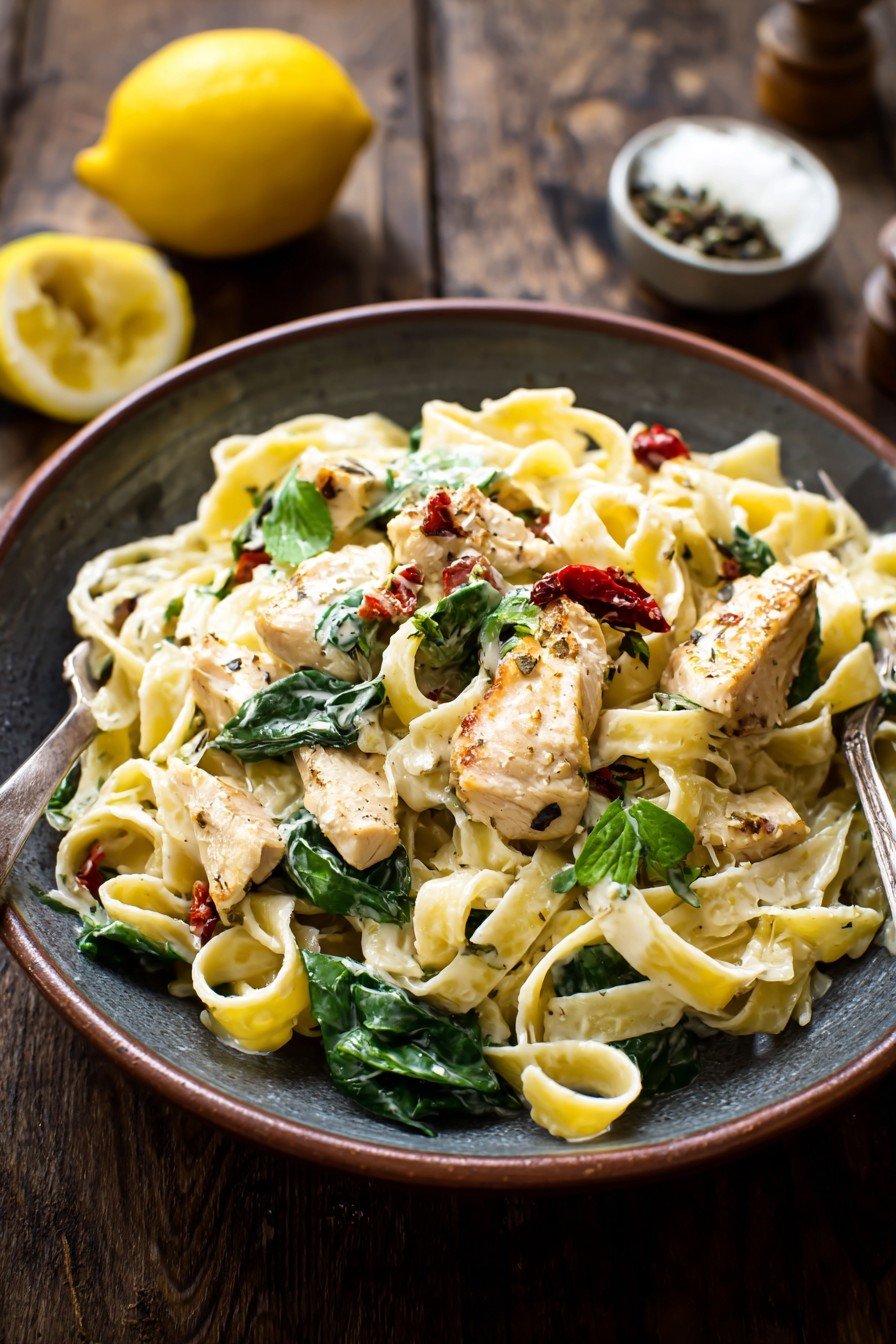
Why You'll Love This
- Fresh Flavor: Lemon and tarragon create an irresistible aromatic punch.
- Simple Ingredients: Everything you need is easy to find at any grocery store.
- Quick & Easy: Ready in just 35 minutes—perfect for busy nights.
- Creamy Texture: The sauce hugs every pasta strand for ultimate comfort.
- Versatile: Great for both potlucks and cozy family dinners!
Ingredients
- 12 oz (340g) penne or fettuccine pasta
- 1 lb (450g) boneless, skinless Chicken breasts, cut into bite-sized pieces
- 1 tablespoon olive oil
- 1 tablespoon unsalted butter
- 3 cloves garlic, minced
- ¾ cup (180ml) heavy cream
- ½ cup (120ml) low-sodium chicken broth
- 1 large lemon, zested and juiced
- 2 tablespoon fresh tarragon, chopped (or 1 tablespoon dried tarragon)
- ⅓ cup (30g) grated Parmesan cheese, plus more for garnish
- Salt and freshly ground black pepper, to taste
- Optional: fresh parsley and lemon slices, for garnish
Directions
Prep the Pasta
- Bring a large pot of salted water to a boil. Cook the pasta according to package instructions (usually 10-12 minutes) until al dente. Reserve ¼ cup of the pasta cooking water, then drain.
Sauté the Chicken
- While the pasta cooks, heat olive oil and butter in a large skillet over medium-high heat. Add chicken pieces, season with salt and pepper, and sauté for 5-6 minutes, until golden and cooked through. Remove chicken to a plate and cover lightly with foil.
Build the Creamy Lemon Tarragon Sauce
- In the same skillet, lower the heat to medium. Add garlic and cook 1 minute, until fragrant. Pour in chicken broth, scraping any browned bits from the pan. Add heavy cream, lemon zest, and lemon juice. Whisk and bring to a gentle simmer, then cook for 3-4 minutes until slightly thickened.
Combine & Finish
- Return chicken (and its juices) to the skillet. Add tarragon and Parmesan, stirring until melted and creamy. Taste and adjust seasoning with salt and pepper.
- Add drained pasta to the sauce, tossing to thoroughly coat. If needed, loosen the sauce with a little reserved pasta water for extra silkiness.
Garnish & Serve
- Serve hot, garnished with extra Parmesan, fresh parsley, and lemon slices. Enjoy!
Notes
- Use freshly squeezed lemon juice for the best tangy flavor.
- Don’t overcook the chicken—it should be juicy, not dry.
- Reserve pasta water for a saucier consistency if needed!
Variations
- Lemon Tarragon Shrimp Pasta: Substitute shrimp for chicken for a seafood twist.
- Dairy-Free: Use coconut cream in place of heavy cream and swap Parmesan for nutritional yeast.
- Veggie-Loaded: Add snap peas, asparagus, or baby spinach for extra greens and crunch.
Required Equipment
- Large pasta pot
- Skillet or large sauté pan
- Chef’s knife and cutting board
- Wooden spoon or spatula
- Measuring cups and spoons
- Microplane or grater (for lemon zest and cheese)
Storage Instructions
Store cooled Lemon Tarragon Chicken Pasta in an airtight container in the refrigerator for up to 3 days. Reheat gently in a skillet over low heat, adding a splash of cream or broth to revive the sauce. Freezing is not recommended, as the sauce may separate.
Serving Suggestions & Pairings
- Pair with a crisp green salad drizzled in vinaigrette.
- Serve alongside crusty Italian bread or garlic toast to soak up the luscious sauce.
- A chilled glass of Sauvignon Blanc or Pinot Grigio complements the citrusy herbs beautifully.
Pro Tips
- Let chicken rest before slicing to keep it juicy inside.
- Zest the lemon before juicing for easier handling.
- Add fresh tarragon at the end to preserve its delicate, aromatic flavor.
FAQ
Can I use dried tarragon instead of fresh?
Yes! Use 1 tablespoon dried tarragon if you can’t find fresh, but fresh tarragon offers the most vibrant taste.
What type of pasta works best?
Penne, fettuccine, or linguine all work well—just pick your favorite pasta shape!
How can I make Lemon Tarragon Chicken Pasta ahead?
You can cook the chicken and sauce in advance, but for the best texture, cook and toss the pasta right before serving.
Recipe Details
- Prep time: 15 minutes
- Cook time: 20 minutes
- Total time: 35 minutes
- Servings: 4
Ingredients
- 12 oz (340 g) penne pasta
- 2 boneless, skinless chicken breasts, cut into strips
- 2 tablespoons olive oil
- 2 cloves garlic, minced
- 1 cup heavy cream
- 1 lemon, zested and juiced
- 2 tablespoons fresh tarragon, chopped
- ½ cup grated Parmesan cheese
- Salt and black pepper, to taste
- ¼ teaspoon red pepper flakes (optional)
Instructions
-
1Cook the penne pasta in a large pot of salted boiling water according to package instructions. Drain and set aside.
-
2Heat olive oil in a large skillet over medium-high heat. Add chicken strips, season with salt and pepper, and cook until golden and cooked through, about 5-7 minutes. Remove chicken from skillet and set aside.
-
3In the same skillet, add minced garlic and cook for 1 minute until fragrant. Pour in heavy cream and lemon juice, scraping up any browned bits from the pan.
-
4Mix in lemon zest, tarragon, Parmesan cheese, and red pepper flakes if using. Let the sauce simmer for 2–3 minutes until slightly thickened.
-
5Return the cooked chicken to the skillet, then add the drained pasta. Toss everything together until well coated. Adjust seasoning with additional salt and pepper if needed.
-
6Serve hot, garnished with extra Parmesan cheese and a sprinkle of fresh tarragon if desired.
Approximate Information for One Serving
Nutrition Disclaimers
Number of total servings shown is approximate. Actual number of servings will depend on your preferred portion sizes.
Nutritional values shown are general guidelines and reflect information for 1 serving using the ingredients listed, not including any optional ingredients. Actual macros may vary slightly depending on specific brands and types of ingredients used.
To determine the weight of one serving, prepare the recipe as instructed. Weigh the finished recipe, then divide the weight of the finished recipe (not including the weight of the container the food is in) by the desired number of servings. Result will be the weight of one serving.
Did you make this recipe?
Please consider Pinning it!!
Leave a Reply