
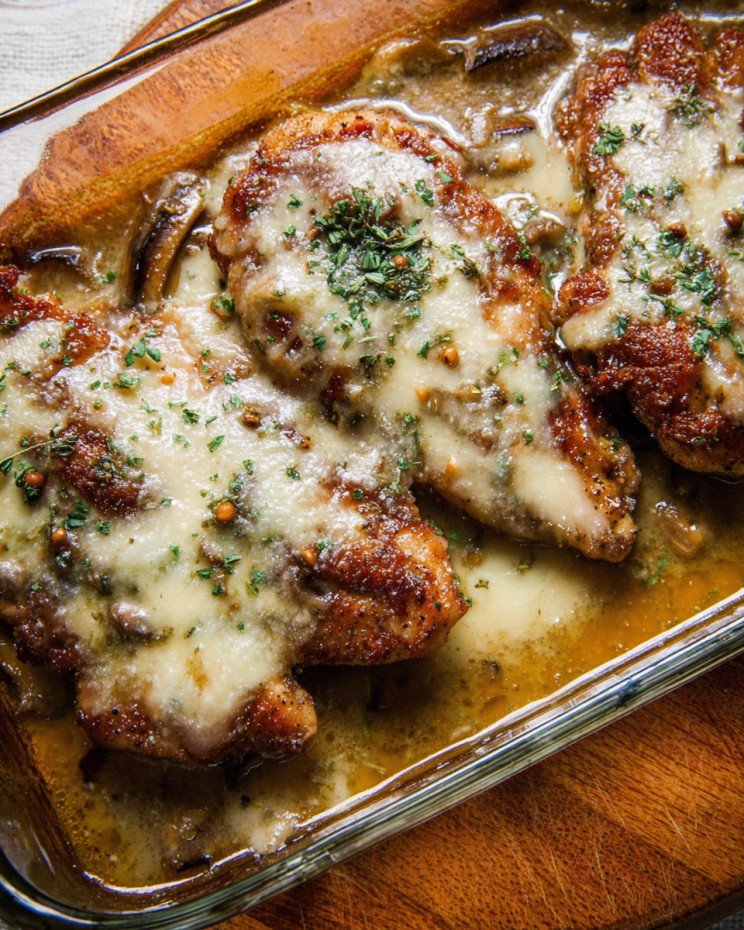
Hey y'all! If you're on the hunt for a dish that's downright packed with flavor, look no further than classic Italian Chicken Saltimbocca. With juicy Chicken, savory prosciutto, fresh sage, and a splash of white wine, this recipe is perfect for cozy weeknights, impressive dinners, or even a date night at home. The best part? It whips up quickly but tastes like you spent hours in the kitchen. Let's get cooking!
Why You'll Love This
- Restaurant-Quality at Home: Enjoy a gourmet Italian experience without leaving your kitchen.
- Quick & Easy: Ready in under 30 minutes, perfect for busy weeknights.
- Rich, Herbaceous Flavor: Prosciutto and sage infuse every bite with bold, savory notes.
- Versatile: Pair with pasta, salad, or your favorite sides for a meal that's always satisfying.
- Impressive Presentation: Looks as beautiful as it tastes—ideal for guests or special occasions.
Ingredients
- 2 large boneless, skinless Chicken breasts
- 8 thin slices prosciutto
- 8 large fresh sage leaves
- ½ cup all-purpose flour
- 2 tablespoons olive oil
- 2 tablespoons unsalted butter
- ⅓ cup dry white wine
- ¼ cup low-sodium chicken broth
- ¼ teaspoon freshly ground black pepper
- Toothpicks (for assembly)
Directions
Step 1: Prepare the Chicken
- Using a sharp knife, slice each chicken breast horizontally to create two thin cutlets (total of 4 pieces).
- Place between two sheets of plastic wrap and gently pound to ¼-inch thickness using a meat mallet.
- Season both sides with pepper (the prosciutto adds enough salt).
Step 2: Assemble Saltimbocca
- Place a sage leaf on each cutlet, then lay a slice of prosciutto over the sage, pressing gently to adhere. Secure with a toothpick if needed.
- Dredge each cutlet lightly in flour, shaking off the excess.
Step 3: Cook the Chicken
- Heat olive oil and 1 tablespoon butter in a large skillet over medium-high heat.
- Add chicken, prosciutto side down, and cook for 2–3 minutes until golden and crisp.
- Flip and cook for another 2–3 minutes, until the chicken is cooked through and juicy.
- Transfer to a plate and cover loosely with foil to keep warm.
Step 4: Make the Pan Sauce
- Pour the white wine into the skillet, scraping up any browned bits.
- Add chicken broth, bring to a gentle simmer, and let cook for 2–3 minutes until slightly reduced.
- Stir in the remaining tablespoon of butter until the sauce is glossy.
- Return the chicken to the skillet just to reheat, spooning sauce over the top.
Notes
- Pounding the chicken thin ensures quick, even cooking and super tender meat.
- Don’t overcook—remove chicken as soon as it’s golden and just cooked through for best juiciness.
- If you don’t have white wine, you can increase the chicken broth for a non-alcoholic version.
Variations
- Veal Saltimbocca: Substitute chicken with thin veal cutlets for a traditional twist.
- Spinach & Cheese: Add a thin layer of sautéed spinach or a slice of mozzarella between the chicken and prosciutto.
- Lemon Finish: Add a splash of fresh lemon juice to the sauce for a bright, tangy flavor.
Required Equipment
- Large skillet or sauté pan
- Meat mallet or rolling pin
- Sharp knife
- Cutting board
- Toothpicks
Storage Instructions
- Store leftovers in an airtight container in the refrigerator for up to 3 days.
- Reheat gently in a covered skillet over low heat with a splash of broth or water to keep it moist.
- Freezing is not recommended as prosciutto may become chewy.
Suggested Pairings & Serving Recommendations
- Serve with creamy polenta, garlic mashed potatoes, or buttered noodles to soak up the sauce.
- Brighten the plate with a simple arugula salad or roasted vegetables.
- Pair with a dry Italian white wine, like Pinot Grigio, for a complete experience.
Pro Tips
- Let the cooked chicken rest on a plate for a few minutes before slicing to maximize juiciness.
- Use high-quality prosciutto for the best melt-in-your-mouth flavor.
- Carefully watch the butter in the sauce—it should melt gently without browning for a silky texture.
FAQ
- Can I make Italian Chicken Saltimbocca ahead of time?
- It's best served fresh, but you can prep and assemble the chicken in advance, refrigerate, and cook it just before serving.
- Can I use dried sage instead of fresh?
- Fresh sage adds the signature aroma and flavor, but a very light sprinkle of dried sage can work in a pinch—use sparingly.
- What if I don’t have white wine?
- You can substitute chicken broth for the wine or use a splash of lemon juice for acidity.
Prep time: 15 minutes
Cook time: 10 minutes
Total time: 25 minutes
Servings: 4
Ingredients
- 4 boneless, skinless chicken breasts
- 8 slices prosciutto
- 8 fresh sage leaves
- 2 tablespoons all-purpose flour
- 2 tablespoons olive oil
- ½ cup dry white wine
- 2 tablespoons unsalted butter
- Salt and black pepper, to taste
Instructions
-
1Place the chicken breasts between sheets of plastic wrap and gently pound to ½-inch thickness.
-
2Season both sides of the chicken with salt and black pepper. Place two sage leaves on each chicken breast, then wrap each with two slices of prosciutto. Press lightly so the prosciutto adheres.
-
3Dredge the wrapped chicken breasts lightly in flour, shaking off any excess.
-
4Heat olive oil in a large skillet over medium-high heat. Add the chicken, prosciutto side down, and cook for about 4-5 minutes per side, until golden and cooked through. Transfer to a plate and keep warm.
-
5Deglaze the pan with white wine, scraping up any browned bits. Let simmer for 2 minutes, then reduce heat and stir in butter until melted and the sauce is slightly thickened.
-
6Return the chicken to the skillet, spoon some sauce over top, and serve immediately.
Approximate Information for One Serving
Nutrition Disclaimers
Number of total servings shown is approximate. Actual number of servings will depend on your preferred portion sizes.
Nutritional values shown are general guidelines and reflect information for 1 serving using the ingredients listed, not including any optional ingredients. Actual macros may vary slightly depending on specific brands and types of ingredients used.
To determine the weight of one serving, prepare the recipe as instructed. Weigh the finished recipe, then divide the weight of the finished recipe (not including the weight of the container the food is in) by the desired number of servings. Result will be the weight of one serving.
Did you make this recipe?
Please consider Pinning it!!
Leave a Reply