
Hey y'all! If you've ever dreamed of combining the creamy decadence of classic cheesecake with the comforting, cinnamon-scented magic of a South African melktert, you're in for a treat! This Cinnamon Swirl Melktert Cheesecake brings together a buttery biscuit crust, a luscious custard-cream cheese filling, and a gorgeous cinnamon swirl that bakes up into pure dessert heaven. Whether you're entertaining, celebrating, or just craving something special, this showstopper is guaranteed to impress. Let's get cooking!
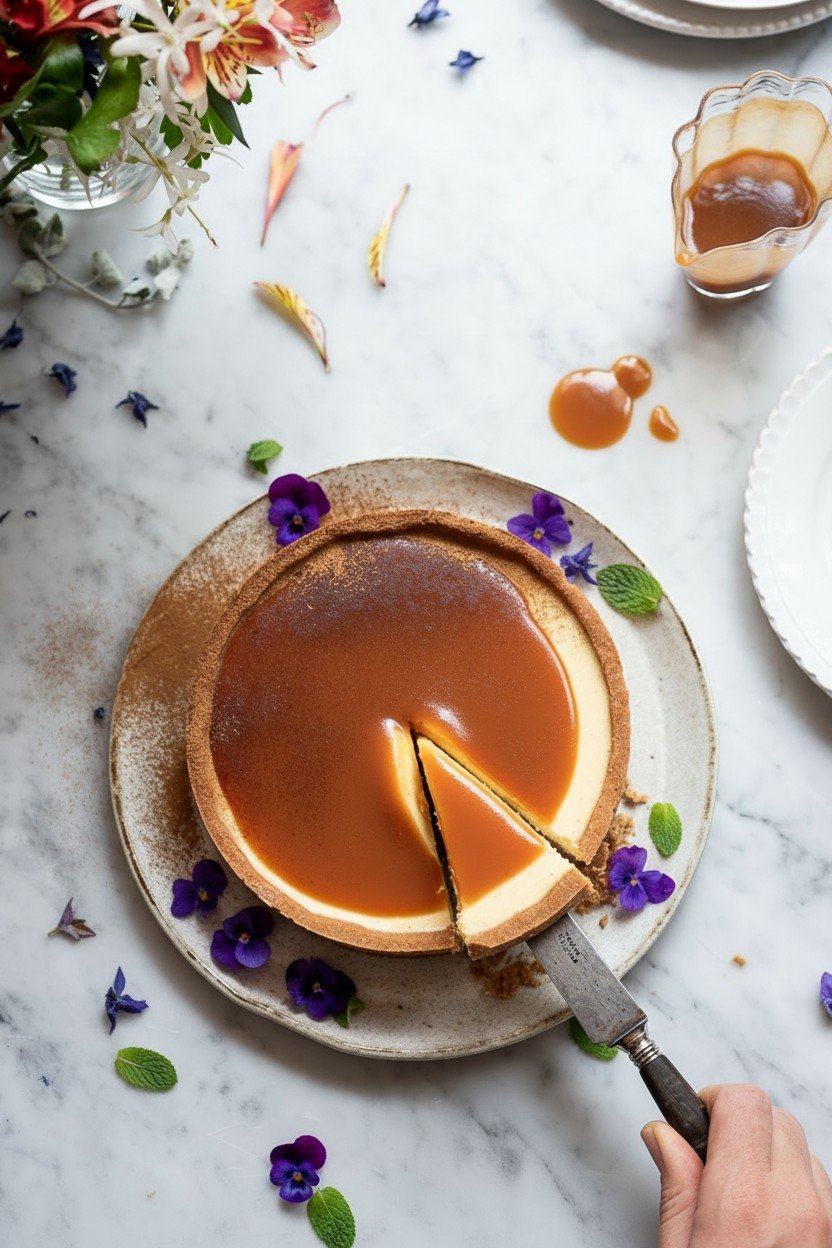
Why You'll Love This Cinnamon Swirl Melktert Cheesecake
- Creamy, dreamy texture with a melt-in-your-mouth finish in every bite.
- The comforting flavor of cinnamon perfectly complements a tangy cheesecake base.
- It’s perfect for gatherings, holidays, or as a special weekend treat.
- Easy to prepare with simple, pantry-friendly ingredients.
- Lorem Ipsum Free and seriously show-stopping on any dessert table!
Ingredients
- 200g (about 7 oz) digestive biscuits or graham crackers
- 100g (7 tbsp) unsalted butter, melted
- 500g (2 cups) cream cheese, softened
- 200g (1 cup) granulated sugar, divided
- 3 large eggs, room temperature
- 250ml (1 cup) whole milk
- 2 tablespoon cornstarch
- 1 tablespoon vanilla extract
- ½ teaspoon salt
- ¼ teaspoon ground nutmeg
- 1 ½ teaspoon ground cinnamon (plus extra for dusting)
- 2 tablespoon brown sugar
- 500ml (2 cups) fresh cream, whipped (optional, for topping)
Directions
Prep Time & Cook Time
- Prep Time: 25 minutes
- Cook Time: 50 minutes
- Total Time: 1 hour 15 minutes (plus cooling time)
Step 1: Prepare the Biscuit Crust
- Preheat your oven to 160°C (320°F). Grease and line the base of a 23cm (9-inch) springform pan.
- Crush the digestive biscuits or graham crackers into fine crumbs using a food processor or rolling pin.
- Mix the crumbs with melted butter until well combined and press firmly into the base of the pan. Bake for 10 minutes, then let cool.
Step 2: Make the Cinnamon Swirl
- In a small bowl, mix 2 tablespoon brown sugar and 1 ½ teaspoon ground cinnamon. Set aside for swirling.
Step 3: Prepare the Melktert Cheesecake Filling
- In a large bowl, beat the softened cream cheese and 150g (¾ cup) granulated sugar until smooth and fluffy.
- Add eggs one at a time, mixing well after each. Stir in vanilla extract and salt.
- In a separate pot, whisk together milk and cornstarch until smooth. Add the remaining 50g (¼ cup) granulated sugar and nutmeg. Heat gently over medium, stirring constantly until slightly thickened (about 5 minutes). Allow to cool slightly, then whisk into the cream cheese mixture until smooth.
Step 4: Assemble and Swirl
- Pour half of the cheesecake filling over the cooled crust. Sprinkle half the cinnamon-sugar mixture, using a skewer or knife to gently swirl it through the batter.
- Repeat with the remaining filling and cinnamon swirl mixture, swirling again for a marbled look.
Step 5: Bake
- Bake in the preheated oven for 45–50 minutes, until the edges are puffed and set but the center is slightly wobbly. If the top browns too quickly, tent with foil.
- Turn off the oven, crack the door, and let the cheesecake cool inside for 1 hour. Remove and cool completely at room temperature, then chill in the fridge for at least 4 hours (overnight is best).
Step 6: Serve
- Carefully release the cheesecake from the springform pan. Dust the top with extra cinnamon and, if desired, pipe or dollop with whipped cream before slicing and serving.
Notes
- For the smoothest filling, make sure all dairy ingredients are at room temperature before mixing.
- Don’t skip the slow cooling step in the oven—this reduces the risk of cracks!
- If your cheesecake cracks on top, a swirl of whipped cream covers it beautifully.
Variations
- Chocolate Swirl: Use cocoa powder and extra sugar in the swirl for a chocolatey twist.
- Gingerbread Crush: Swap digestive biscuits for ginger snaps for a spicier base.
- Dairy-Free: Substitute dairy-free cream cheese and plant milk for a lactose-free version.
Required Equipment
- 23cm (9-inch) springform pan
- Mixing bowls
- Electric mixer or whisk
- Food processor or rolling pin (for crumbs)
- Small saucepan
- Rubber spatula
Storage Instructions
- Store the cheesecake covered in the fridge for up to 5 days.
- For longer storage, wrap slices tightly and freeze for up to 2 months.
- Thaw frozen cheesecake overnight in the refrigerator before serving.
Serving Recommendations
- Pair with hot coffee, rooibos tea, or a glass of sweet dessert wine.
- Top with poached pears or fresh berries for a fruity finish.
- Serve dusted with extra cinnamon and a dollop of whipped cream for brunch or dessert.
Pro Tips for Perfect Cheesecake
- Run a knife around the edge of the cheesecake before releasing the pan to prevent sticking.
- Let the cheesecake chill overnight for best flavor and structure.
- Use an oven thermometer for precise baking temperature—the key to a creamy, crack-free result.
FAQ
Can I use a store-bought pie crust instead?
Yes, but the homemade biscuit base really brings that melktert vibe—if time is short, a ready-made crust will work in a pinch!
What can I use instead of granulated sugar?
Caster sugar or even light brown sugar work well and add a subtle flavor variation.
How do I know when the cheesecake is set?
The edges should be puffed and firm, but the center should still wobble slightly—it will fully set as it cools.
Ingredients
- 200g (about 7 oz) digestive biscuits or graham crackers
- 100g (7 tbsp) unsalted butter, melted
- 500g (2 cups) cream cheese, softened
- 200g (1 cup) granulated sugar, divided
- 3 large eggs, room temperature
- 250ml (1 cup) whole milk
- 2 tablespoon cornstarch
- 1 tablespoon vanilla extract
- ½ teaspoon salt
- ¼ teaspoon ground nutmeg
- 1 ½ teaspoon ground cinnamon (plus extra for dusting)
- 2 tablespoon brown sugar
- 500ml (2 cups) fresh cream, whipped (optional, for topping)
Instructions
-
1Preheat your oven to 160°C (320°F). Grease and line the base of a 23cm (9-inch) springform pan.
-
2Crush the digestive biscuits or graham crackers into fine crumbs using a food processor or rolling pin.
-
3Mix the crumbs with melted butter until well combined and press firmly into the base of the pan. Bake for 10 minutes, then let cool.
-
4In a small bowl, mix 2 tablespoon brown sugar and 1 ½ teaspoon ground cinnamon. Set aside for swirling.
-
5In a large bowl, beat the softened cream cheese and 150g (¾ cup) granulated sugar until smooth and fluffy.
-
6Add eggs one at a time, mixing well after each. Stir in vanilla extract and salt.
-
7In a separate pot, whisk together milk and cornstarch until smooth. Add the remaining 50g (¼ cup) granulated sugar and nutmeg. Heat gently over medium, stirring constantly until slightly thickened (about 5 minutes). Allow to cool slightly, then whisk into the cream cheese mixture until smooth.
-
8Pour half of the cheesecake filling over the cooled crust. Sprinkle half the cinnamon-sugar mixture, using a skewer or knife to gently swirl it through the batter.
-
9Repeat with the remaining filling and cinnamon swirl mixture, swirling again for a marbled look.
-
10Bake in the preheated oven for 45–50 minutes, until the edges are puffed and set but the center is slightly wobbly. If the top browns too quickly, tent with foil.
-
11Turn off the oven, crack the door, and let the cheesecake cool inside for 1 hour. Remove and cool completely at room temperature, then chill in the fridge for at least 4 hours (overnight is best).
-
12Carefully release the cheesecake from the springform pan. Dust the top with extra cinnamon and, if desired, pipe or dollop with whipped cream before slicing and serving.
Approximate Information for One Serving
Nutrition Disclaimers
Number of total servings shown is approximate. Actual number of servings will depend on your preferred portion sizes.
Nutritional values shown are general guidelines and reflect information for 1 serving using the ingredients listed, not including any optional ingredients. Actual macros may vary slightly depending on specific brands and types of ingredients used.
To determine the weight of one serving, prepare the recipe as instructed. Weigh the finished recipe, then divide the weight of the finished recipe (not including the weight of the container the food is in) by the desired number of servings. Result will be the weight of one serving.
Did you make this recipe?
Please consider Pinning it!
Leave a Reply